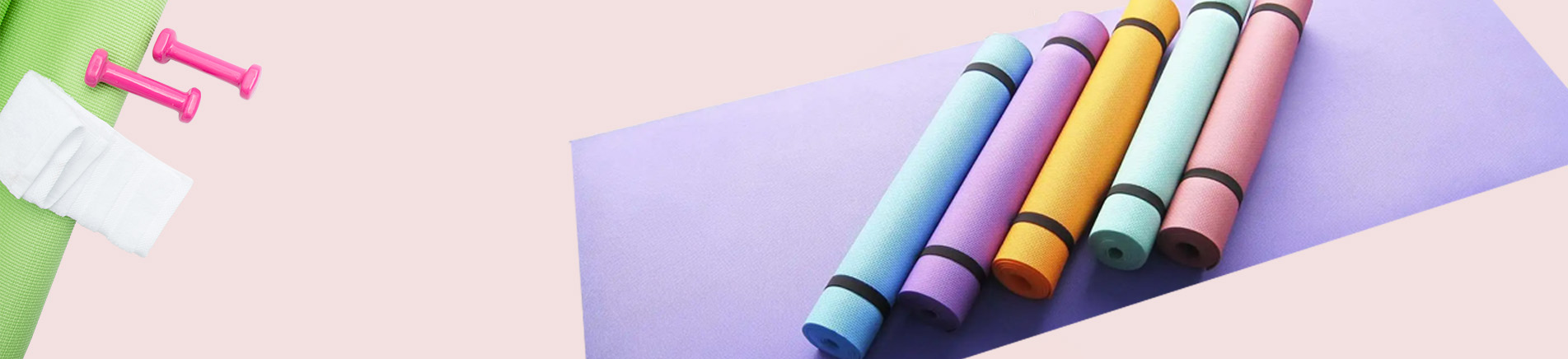
When you settle into a deep Pranayama breathing session, your face is often just inches away from your mat. This intimate contact is exactly why the composition of your yoga equipment matters more than almost any other fitness gear. For practitioners, a strong chemical odor is a major distraction; for yoga studio owners and retailers, it is a critical red flag for quality control.
In this comprehensive guide, we will break down the hidden risks of VOCs, compare the safest materials on the market, and explain why investing in a certified non-toxic yoga mat is the most important decision for your brand this year.
1. Unmasking the "New Mat Smell": What are VOCs?
That pungent, plastic-like scent often accompanying new yoga gear is caused by Volatile Organic Compounds (VOCs). These chemicals "off-gas" or evaporate into the air at room temperature.
In the yoga industry, high VOC levels are typically found in low-cost mats made from cheap PVC (Polyvinyl Chloride). To make these plastics flexible, manufacturers often add phthalates, lead, and cadmium. Furthermore, inferior chemical foaming agents used to create "cushioning" often leave behind residual gases that linger for months.
Why it matters: During yoga, your body temperature rises and your pores open. Deep inhalation near a high-VOC surface means you are breathing in these particulates. Choosing a low odor yoga mat isn't just about sensory comfort; it’s about eliminating the inhalation of potential endocrine disruptors and protecting your respiratory health at the source.
2. A Deep Dive into Safety: Finding the Best Non-Toxic Options
If you are sourcing for a studio or a retail brand, understanding the chemistry of your materials is a core competitive advantage. As a professional Yoga Mat Manufacturer, we recommend focusing on the following high-standard materials:
High-Grade TPE: This is the premier choice for those seeking a low odor yoga mat. TPE (Thermoplastic Elastomer) features a closed-cell structure that does not absorb sweat or bacteria. More importantly, high-quality TPE is manufactured without phthalates or harsh chemical solvents and is fully recyclable.
Natural Rubber: Widely recognized as the gold standard for a non-toxic yoga mat. Derived from rubber trees, it may have a faint, earthy scent initially, but it is entirely free of toxic chemical odors. Its superior grip and durability make it a favorite in the premium professional yoga market.
PU (Polyurethane) and Organic Cork: For users seeking ultimate performance or a purely natural feel, PU offers a skin-friendly surface with zero toxic off-gassing, while cork provides inherent antimicrobial properties. Together, these materials represent a healthier, more transparent industry standard.
3. Why B2B Buyers Must Prioritize Safety Standards
For distributors, gym owners, or brand managers, your reputation relies on the safety of the products you provide. Partnering with a Yoga Mat Manufacturer that offers a transparent supply chain is about more than just buying inventory—it’s about securing peace of mind.
The Business Logic of Choosing Non-Toxic Materials:
Mitigate Brand Risk: Modern consumers are highly health-conscious. Providing products with REACH or OEKO-TEX certification significantly reduces returns and negative reviews triggered by "chemical smells."
Command a Premium: Clearly identifying your products as a non-toxic yoga mat helps you stand out in a crowded market and justifies a higher retail price point.
Build Long-Term Trust: Ensuring a safe practice environment fosters long-term loyalty toward your studio or brand.
4. Maintenance Tips for a Fresh Practice Environment
Even the best low odor yoga mat requires proper care. We recommend unrolling a new mat in a shaded, well-ventilated area for 24-48 hours before the first use. For daily cleaning, use a mixture of water and organic essential oils (such as tea tree or lavender). Avoid harsh chemical cleaners, which can degrade the molecular structure of the material and create secondary odors.
A yoga practice should be a process of detoxification, not chemical exposure. By prioritizing a non-toxic yoga mat made from sustainable, rigorously tested materials, you are planning for the long-term health of both your body and your business.
Whether you are an individual practitioner or a business partner looking for a reliable Yoga Mat Manufacturer, safety is the ultimate foundation of a premium experience.

 IPv6 دعم الشبكة
 العربية
 English
 français
 Deutsch
 italiano
 español
 português
 日本語
日本語 한국의
한국의 Tiếng việt